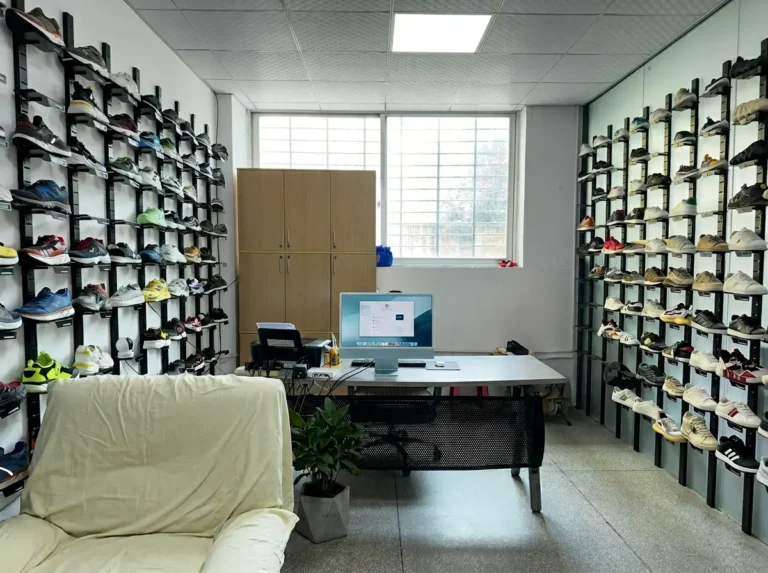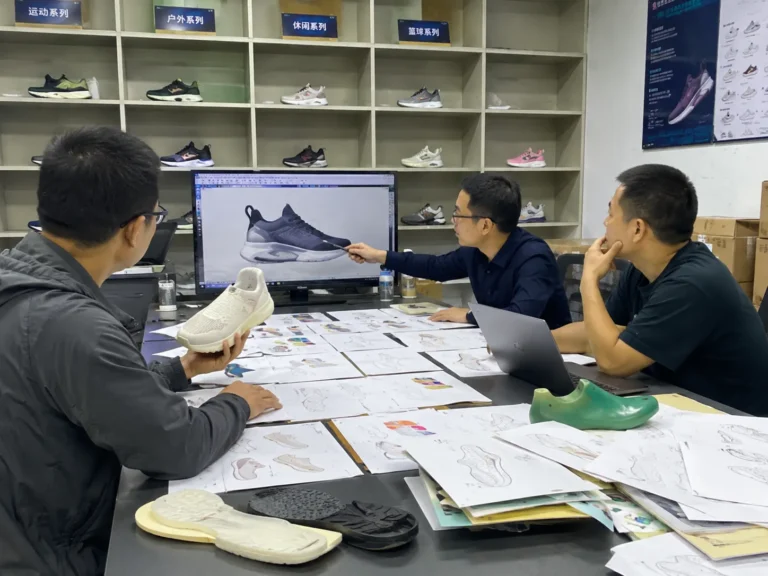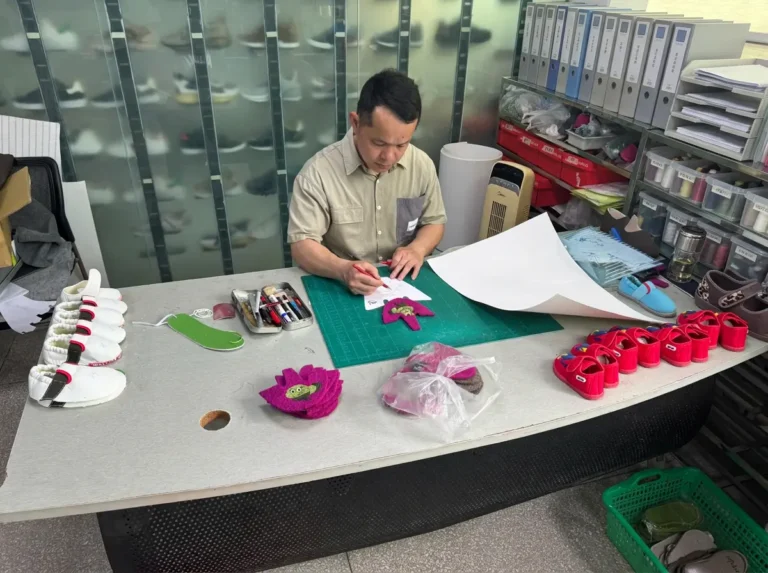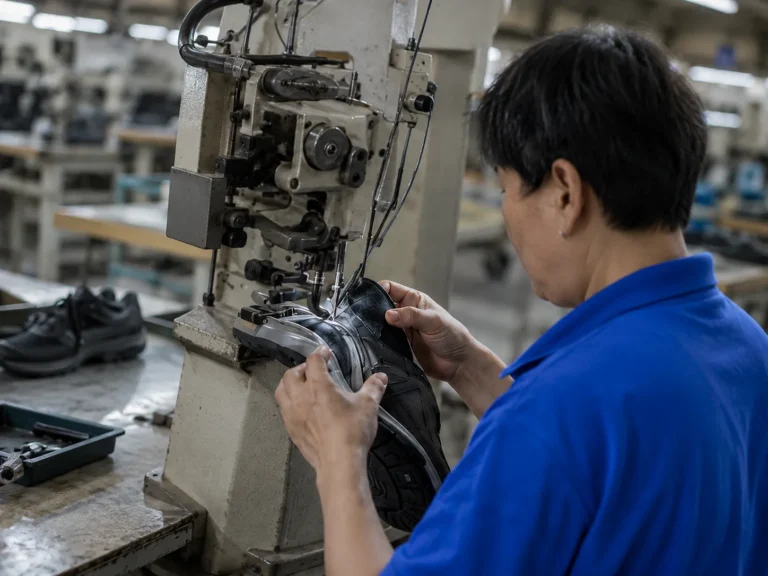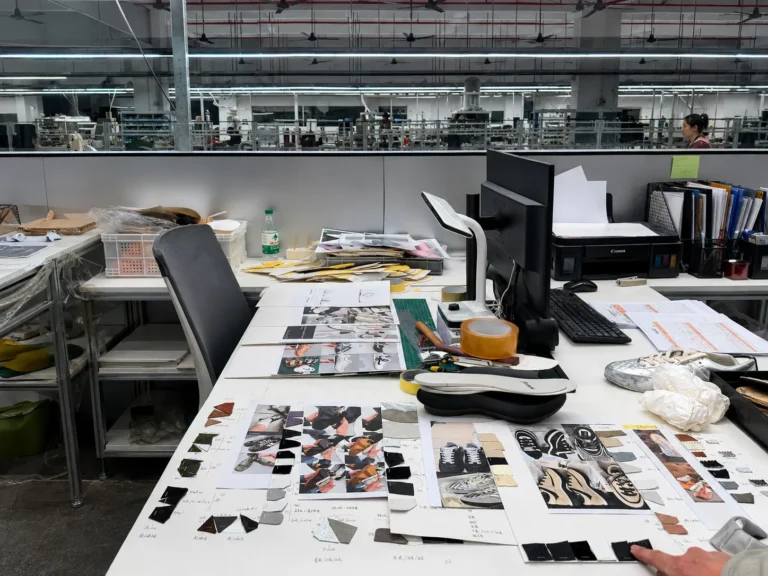
Our shoe development process follows seven main stages, from style requirements and last development to trial fitting, sole construction and final finishing. If you are new to footwear terms, start with our guide to the parts of a shoe.
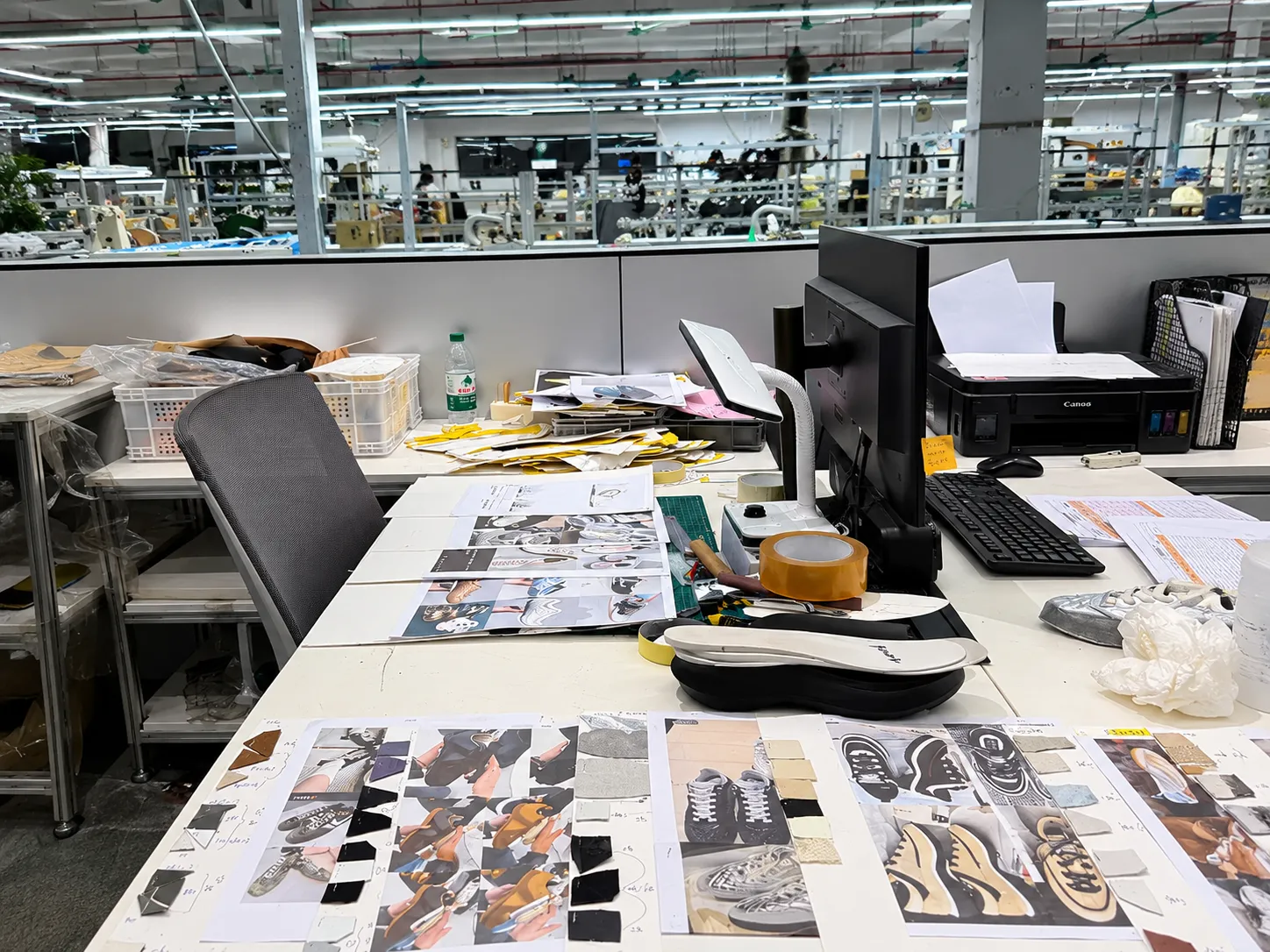
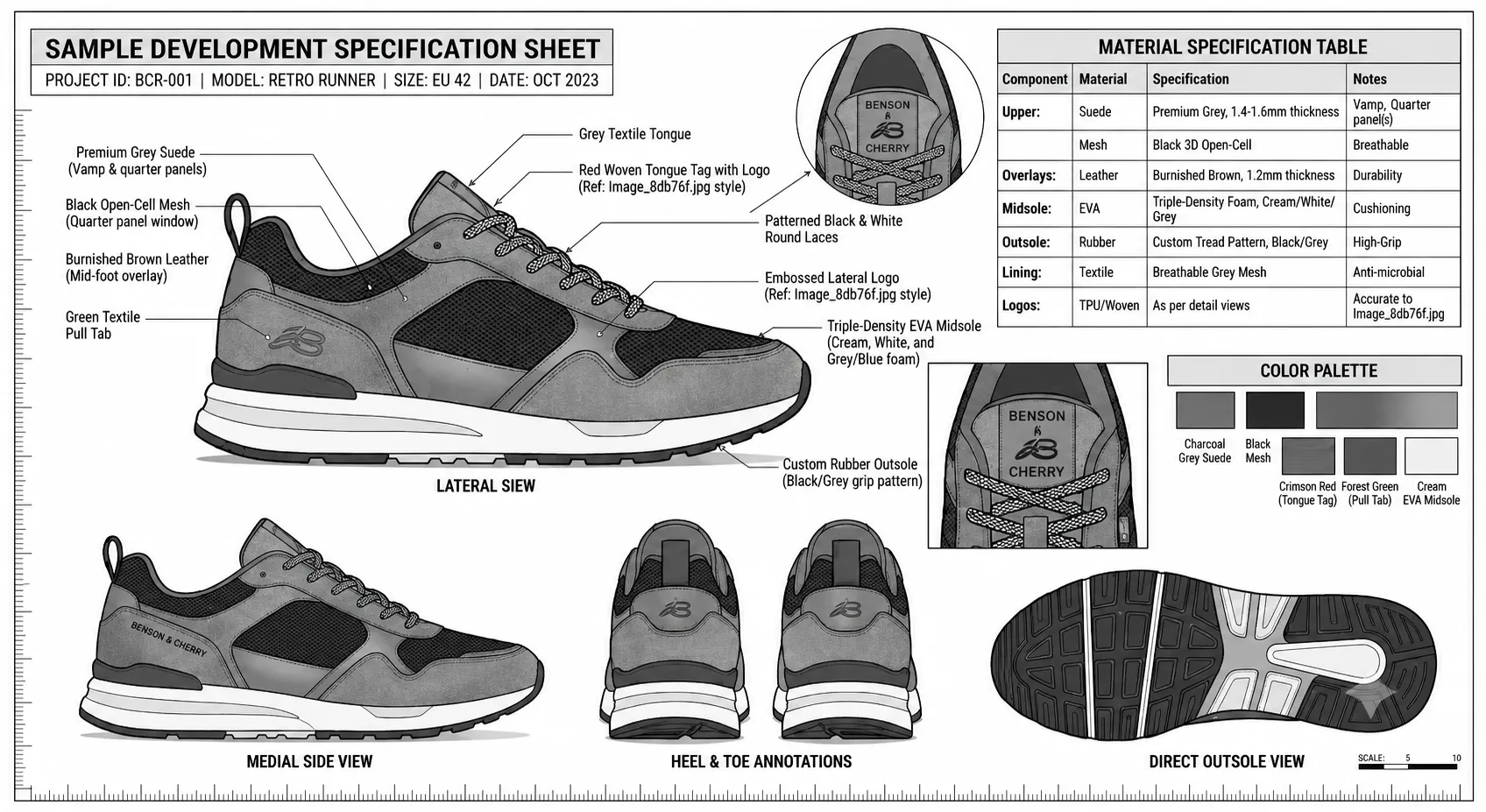
The process begins by reviewing the intended shoe design, reference sample, drawings, size requirements, target use and other development information required for the project.
No tech pack yet? Our developers draw one from your sketch or reference shoe.
The shoe last defines the three-dimensional form of the footwear and influences toe shape, width, instep, heel fit, proportion and overall fitting characteristics.
OUTPUT → APPROVED SHOE LAST · existing last, adjusted last or a new one
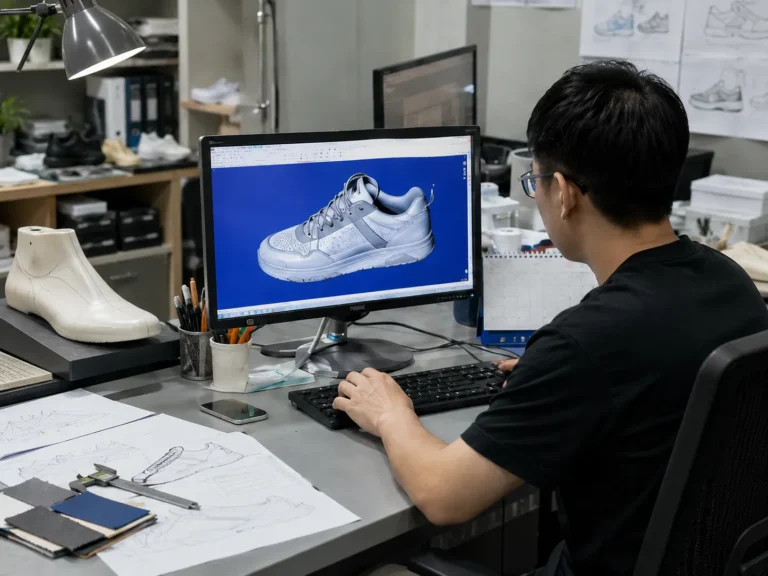
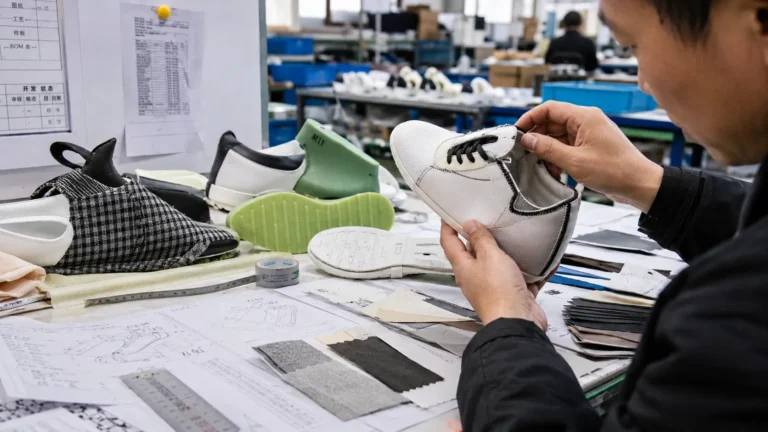
Patterns are developed around the approved last and shoe design. Upper materials, linings, reinforcement components and other materials are then selected according to the intended appearance and performance.
The design is taken off the last and flattened into individual pieces, each with seam allowance, then graded across the size range.
Outer materials, linings and reinforcements are chosen for the look and how the shoe has to perform. Hover a swatch.
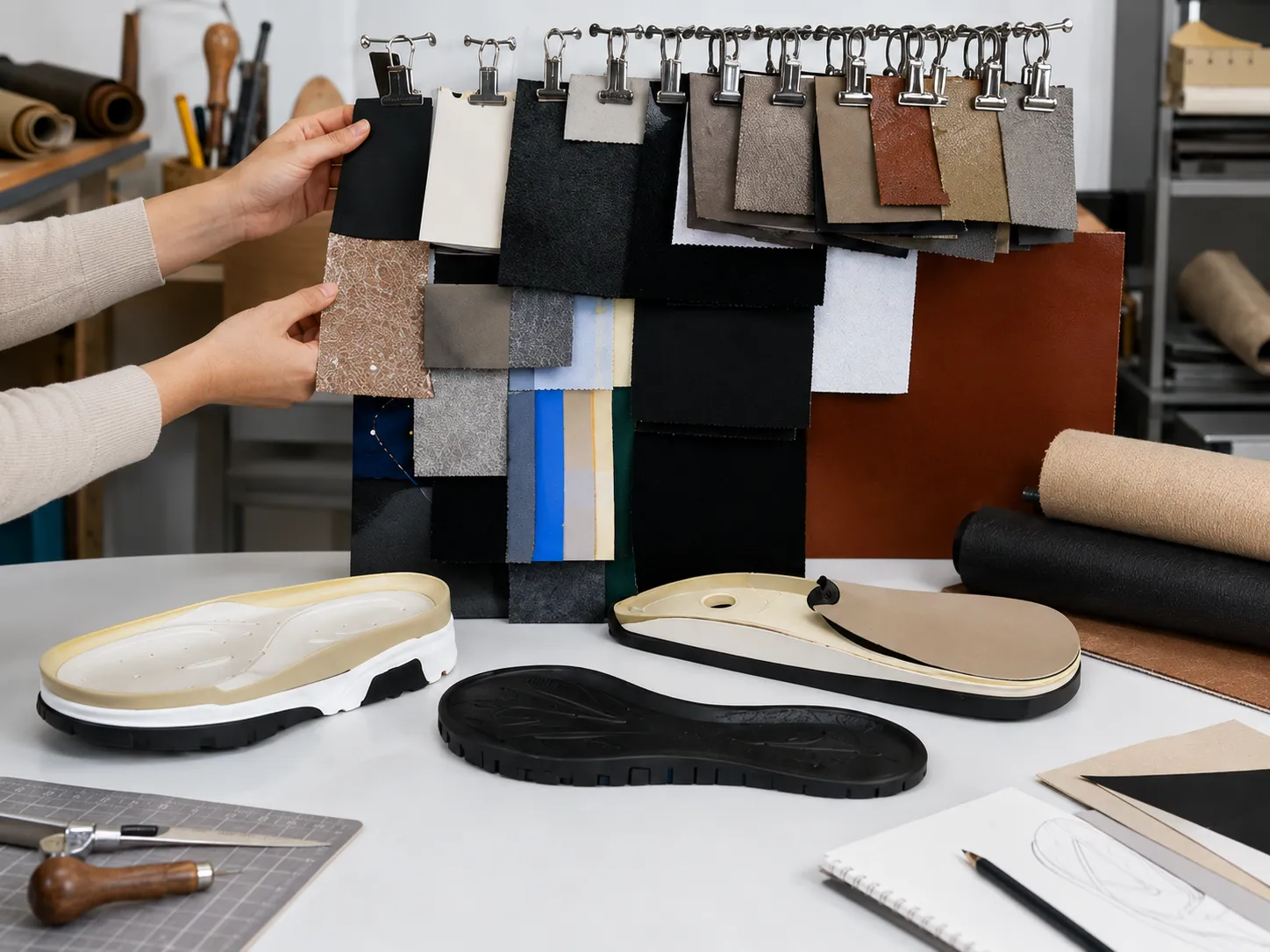
FIG. 03 — MATERIAL TABLEEvery chosen material is written into the material table by position, thickness and color code — the list production buys against later.
Cut upper components are stitched together with lining, reinforcements and decorative elements. Once the upper is completed, it is placed over the shoe last, shaped and secured so the footwear takes on its intended three-dimensional form.
Upper components are cut according to the developed pattern.
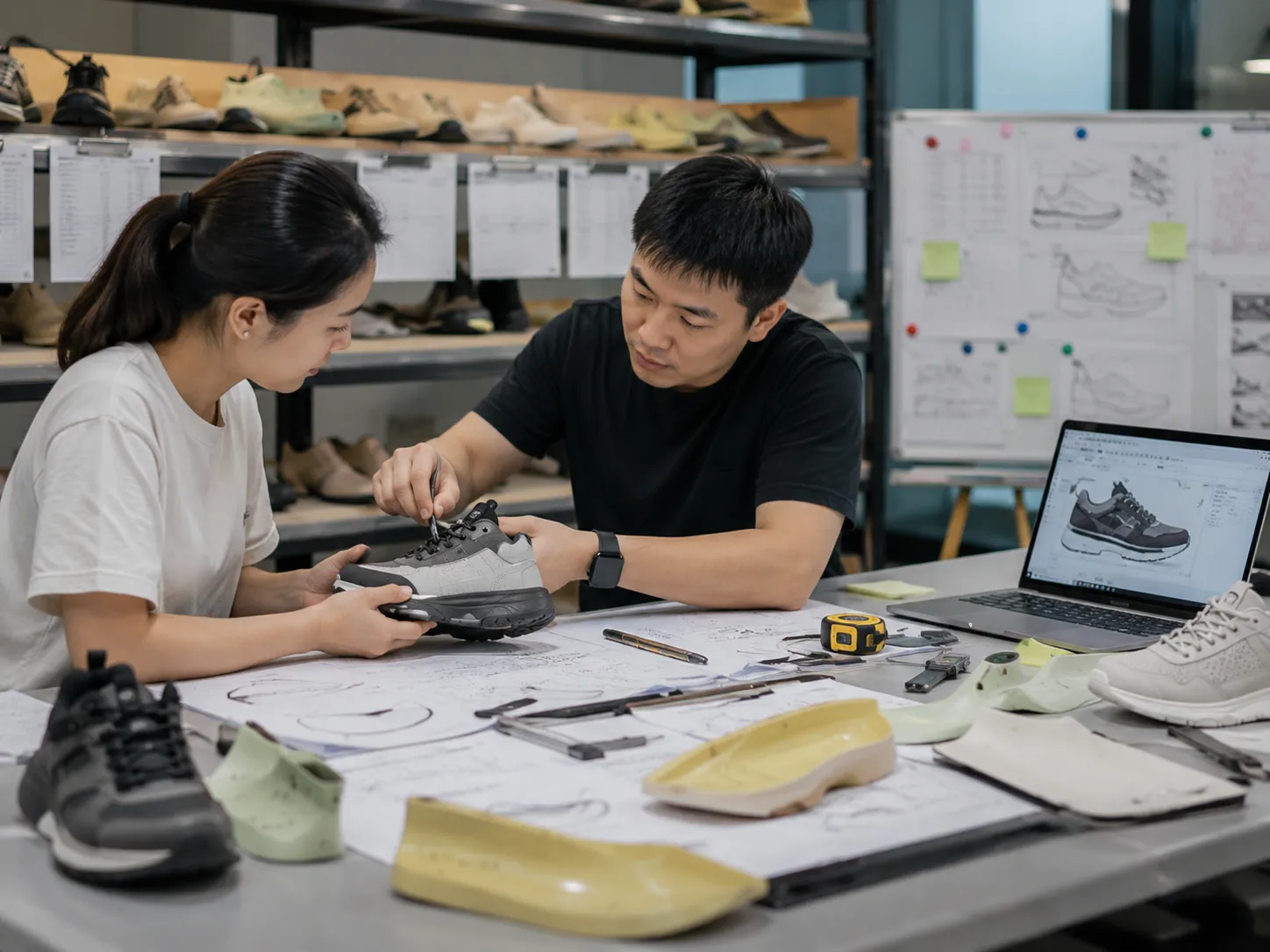
The trial shoe is reviewed before moving into final production. This gives the customer an opportunity to check the overall appearance, fit and comfort and request changes where necessary.
Because the last and sole mold already exist, a sample only needs the upper to be made — which is why each round is quick and inexpensive.
3–7 days · from US$28 per pair · credited to bulkOnce the design is approved, many brands open their own sole mold: last, sole shape, tread and logo adjusted for them alone. It takes longer and costs more, and the mold belongs to the brand. Public molds stay factory assets any buyer can use.
7–15 days · from US$700After the trial shoe has been approved, the shoe moves into final construction. The required sole construction is carried out according to the selected footwear style and construction method.
Construction follows the signed-off sample.
Lasting margin roughed; insole board or strobel fixed.
Cleaned, primed and fitted to the last.
Pressed, stitched, cured or injected.
Bond checked before the shoe moves on.
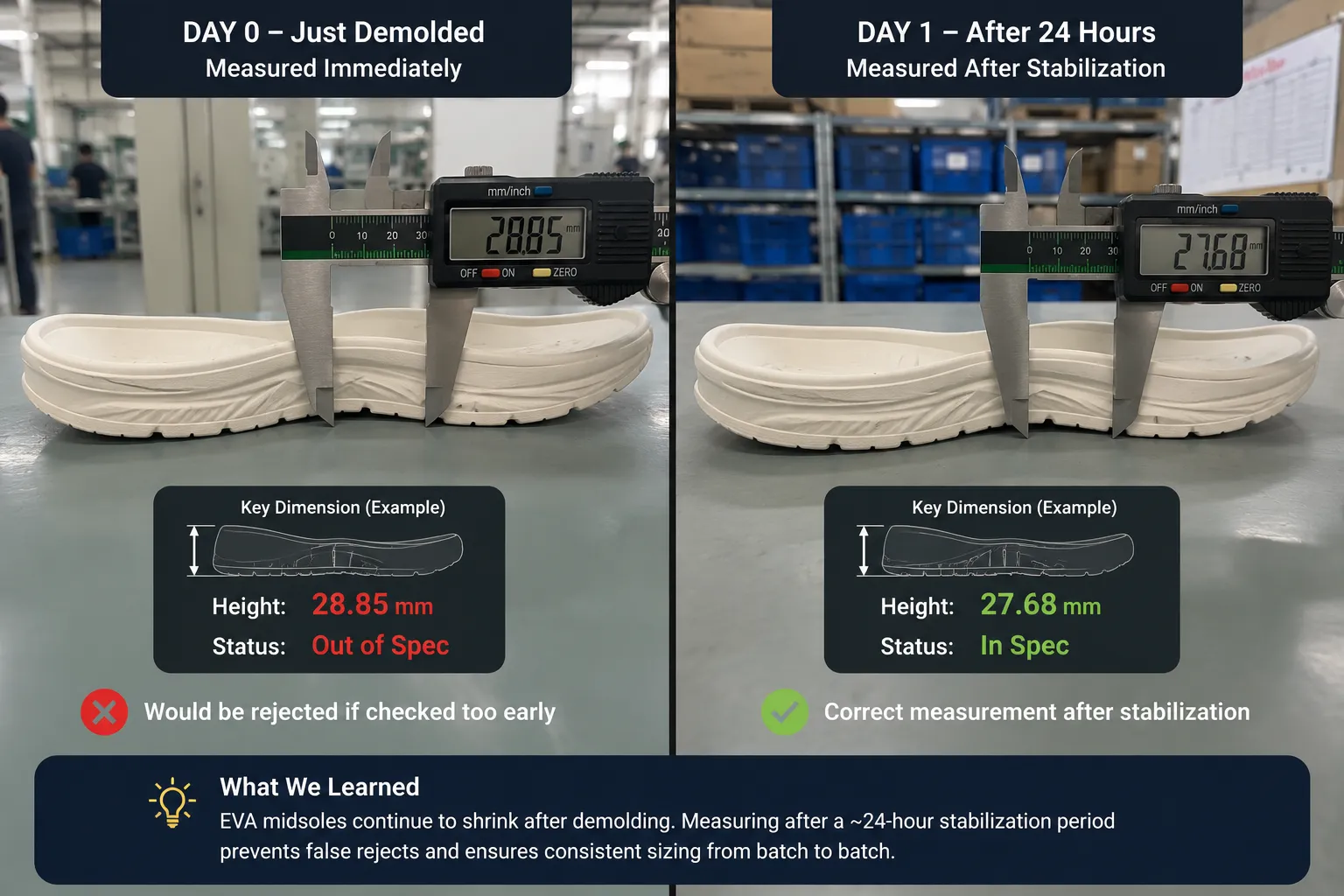
EVA keeps shrinking after it leaves the mold. Measured straight away, a sole can read out of spec; measured after it stabilizes, the same sole sits inside tolerance. Measuring at the right time keeps sizing consistent from batch to batch.
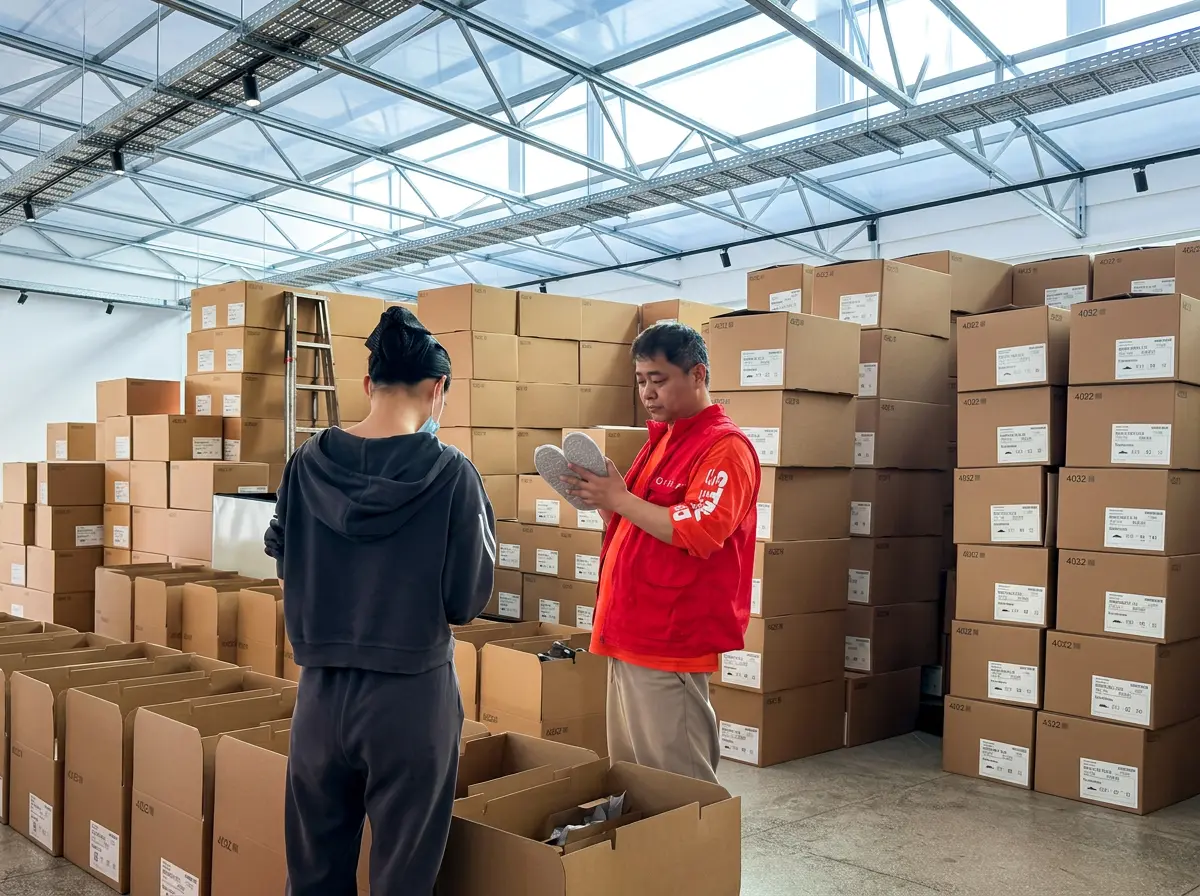
After construction, the last is removed and the finished shoes move through cleaning, trimming, surface finishing and final appearance inspection before packing.
Design, 3D work, pattern making and sample making sit in the same building as our production lines in Quanzhou, Fujian — so the people who built your prototype hand it over to the line themselves.