
Outdoor sports shoes
We manufacture custom barefoot shoes, hiking boots, basketball shoes, and running shoes for outdoor and performance footwear brands. From wide toe-box development and flexible barefoot constructions to supportive hiking soles and sport-specific cushioning systems, we help brands turn footwear concepts into production-ready products.
3 Product Categories
Barefoot Shoes, Hiking Boots, Running Shoes
OEM & ODM Development
Lasts, Uppers, Midsoles, Outsoles, Colors, Logos and Packaging
100% Final Inspection
Fit, Appearance, Bonding and Workmanship Checked Before Shipment
1-to-1 Project Support
From Product Brief and Sampling to Production and Delivery
The Footwear Performance Challenge — Why One Shoe Construction Cannot Fit Every Activity
Outdoor and athletic shoes may appear similar from the outside, but the forces, movements and terrain involved in each activity are very different. A shoe designed for natural walking requires a different toe shape and level of flexibility from a hiking boot built for uneven ground, or a basketball shoe developed for quick lateral movement and repeated landings.
Barefoot shoes depend on a foot-shaped last, a wide toe box, low or zero heel-to-toe drop and a flexible outsole that allows natural forefoot movement. Hiking boots require stronger underfoot protection, multidirectional traction, heel stability and optional ankle or waterproof support. Basketball shoes focus on lockdown, torsional control, lateral stability and impact cushioning, while running shoes prioritize low weight, forward transition, breathability and repeatable cushioning over longer distances.
For this reason, we do not apply the same last, midsole or outsole structure to every footwear category. Each project is reviewed according to its target activity, customer profile, fit requirement, terrain, performance goal and price position. Our development team then matches the shoe last, upper construction, cushioning system, support components and outsole pattern to the intended use before sampling begins.
The Product Developer’s Note — Performance Starts with the Last
Cushioning compounds and outsole patterns receive a lot of attention, but the shoe last determines the foundation of fit and movement.
A barefoot shoe requires enough forefoot width for natural toe splay without allowing the heel to slip. A basketball shoe needs stronger midfoot lockdown to control lateral movement, while a running shoe must balance heel security with sufficient forefoot flex.
Before developing the upper or selecting the sole, we review toe shape, ball width, instep volume, heel fit and the intended movement pattern. Using the wrong last can create pressure points, poor lockdown or an unstable fit even when premium materials are used.
Our Outdoor & Performance Footwear Range — Categories, Fits & Applications
Our footwear range covers natural-movement barefoot shoes, protective hiking boots, supportive basketball shoes and performance-focused running shoes. Each category is developed around its intended activity, with different shoe lasts, upper constructions, cushioning systems, support components and outsole patterns.
Explore the collections below to find the right starting point for your brand, or send us your design, tech pack or reference sample for custom OEM & ODM development.
barefoot shoes
Designed to support natural foot movement, our barefoot shoes feature a wide toe box, zero-drop construction, and a lightweight flexible sole.
The spacious forefoot allows toes to spread naturally, while the thin, bendable outsole delivers better ground feel and freedom of movement. Breathable materials, a secure fit, and optional slip-resistant soles make them suitable for walking, training, travel, and everyday wear.
Outdoor footwear
Our outdoor shoes are designed for comfort, durability, and dependable performance.
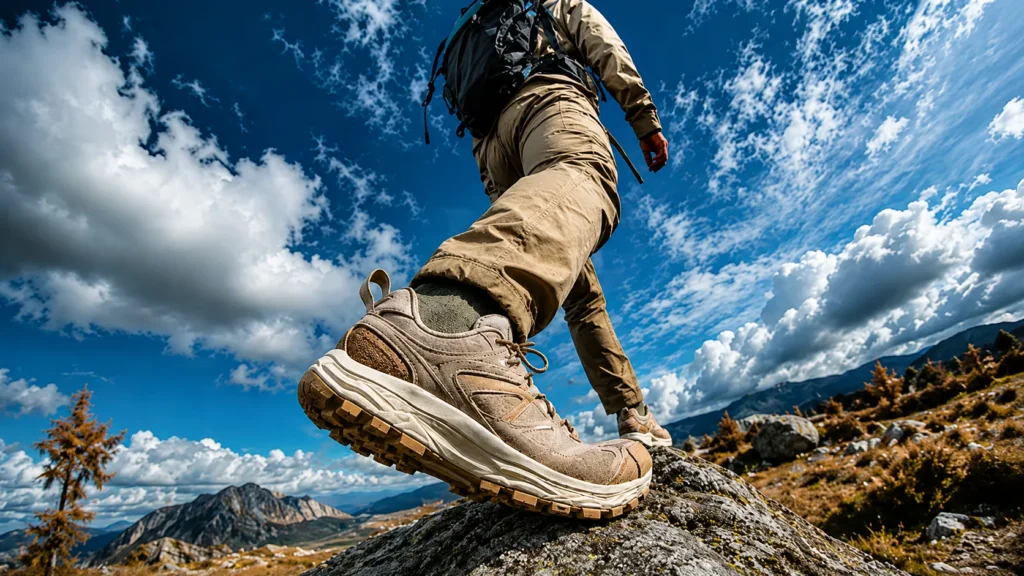
Featuring durable materials, breathable construction, a secure fit, and a slip-resistant outsole, they provide the support and traction needed for hiking, walking, travel, and everyday outdoor use.
💡 Not Sure Which Product Direction Fits Your Market?
Our development team can help compare usage scenarios, target consumers, fit requirements, cushioning preferences, material options and price positioning before sampling begins.
Discuss Your Collection Plan →Footwear Collection Planning Guide — Choose the Right Product Direction
Different activities require different combinations of fit, support, cushioning, flexibility and outsole performance. Use this guide to identify the most suitable footwear direction for your target consumer, market and price position before sample development begins.
| Target Activity / Usage | Last & Fit Direction | Performance Priority | Recommended Construction | Recommended Product Direction |
|---|---|---|---|---|
| Natural walking, fitness and everyday movement | Foot-shaped wide toe-box last with secure heel fit and low or zero drop | Toe freedom, natural movement, flexibility and ground feel | Lightweight breathable upper, flexible forefoot and thin segmented outsole | Wide Toe-Box Barefoot Shoes |
| Hiking, trekking and outdoor travel | Standard or wide outdoor last with deeper forefoot volume and secure heel hold | Traction, underfoot protection, stability and weather resistance | Reinforced toe and heel, supportive midsole, lugged rubber outsole and optional waterproof membrane | All-Terrain Hiking Boots |
| Indoor and outdoor basketball | Athletic performance last with close midfoot fit and locked-in heel | Lateral stability, torsional control, impact protection and court grip | Supportive upper, TPU stabilizer, cushioned midsole and court-specific rubber outsole | Performance Basketball Shoes |
| Road running, jogging and daily training | Running last with secure heel fit and comfortable forefoot volume | Lightweight cushioning, rebound, breathability and smooth transition | Engineered mesh upper, responsive EVA or ETPU midsole and zoned rubber outsole | Daily Trainer Running Shoes |
Custom Outdoor & Performance Footwear Options
We customize shoe lasts, uppers, cushioning systems, support components, outsoles, colors and branding according to your target activity, consumer profile, price position and order requirements. Each option is reviewed as part of the complete footwear structure—not as an isolated visual detail.
Upper Design & Brand Identity
Develop the visual language of the shoe through upper patterns, panel layouts, overlays and brand details.
Available options may include logo placement, printing, embroidery, heat transfer, woven labels, reflective details, decorative stitching and custom trim components.
We help balance brand recognition with upper structure, breathability, material usage and production feasibility.
Upper Material Options
Select upper materials according to season, wearing scenario, appearance, support requirements and target cost.
Options may include breathable mesh, engineered knit, textile, microfiber, synthetic leather, PU support films and water-resistant material combinations.
Material packages can be configured to balance airflow, structure, durability, weight and visual positioning.
Outsole Design & Material
Configure the outsole around the intended walking surface, flexibility, traction, durability, weight and cost position.
Customization options may include tread patterns, flex grooves, rubber placement, outsole coverage, surface texture and branding details.
Available sole materials and combinations can include EVA, rubber, TPR and multi-density constructions, subject to product requirements and testing standards.
Color, Size & Fit System
Build a color and size program that fits your target market, sales channel and consumer profile.
We support custom colorways, material color matching, contrast components and brand-led seasonal palettes. Size ranges and fit directions can be developed around standard, wide or deeper-fit requirements.
Size grading, forefoot room, instep volume and heel hold should be evaluated as one complete fit system before bulk production.
Why Footwear Brands Choose SeeU Shoe?
Your Brand Needs More Than a Factory That Can Copy a Shoe
Many footwear factories can reproduce the appearance of a reference shoe. The more difficult task is translating your target activity, consumer profile, fit requirements, performance goals and price position into a production-ready footwear specification.
SeeU Shoe develops barefoot shoes, hiking boots, basketball shoes and running shoes around different movement patterns and wearing environments. A wide toe-box barefoot shoe cannot use the same fit logic as a locked-in basketball shoe, while a trail boot requires a different balance of protection, stability and outsole traction from a lightweight running shoe.
Before sampling, we review the product direction as a complete system—including the shoe last, upper construction, cushioning, support components, outsole, materials, branding and target cost. This helps reduce disconnected design decisions and gives your brand a clearer path from concept to commercial production.
We do not simply reproduce a reference shoe. We help turn your product idea into a footwear specification that can be sampled, tested, manufactured and expanded into a complete collection.
What Makes SeeU Shoe Different?
We Develop Around the Intended Activity
We begin by defining who the shoe is for, where it will be worn and which performance priorities matter most. Barefoot, hiking, basketball and running footwear each require different combinations of fit, flexibility, cushioning, protection, stability and traction. This allows us to recommend a more suitable product structure instead of simply copying the appearance of a reference shoe.
We Treat the Shoe Last as the Foundation
Fit is reviewed before decorative details. Depending on the category, we evaluate toe shape, forefoot width, instep volume, heel hold, size grading and heel-to-toe drop. This is especially important for wide toe-box barefoot shoes, secure basketball fits, stable hiking lasts and running shoes that must balance heel lockdown with comfortable forefoot movement.
We Develop with Production in Mind
A good prototype must also be practical to reproduce consistently. During development, we consider material availability, tooling requirements, construction methods, order quantity, target cost and quality-control points. This creates a clearer transition from prototype and fit approval to pre-production confirmation and bulk manufacturing.
Frequently Asked Questions About Custom Outdoor & Performance Footwear
Answers to common questions about custom barefoot shoes, hiking boots, basketball shoes and running shoes, including shoe lasts, materials, performance features, tooling, sampling, MOQ, testing and bulk production.
1. What types of outdoor and performance footwear can you manufacture?
We manufacture custom barefoot shoes, hiking boots, basketball shoes and running shoes for footwear brands and private-label customers.
Each category is developed around different fit and performance requirements, including wide toe-box and zero-drop constructions for barefoot shoes, protective and high-traction structures for hiking boots, lateral support for basketball shoes, and lightweight cushioning for running shoes.
2. Can you develop wide toe-box and zero-drop barefoot shoes?
Yes. We can develop barefoot shoes with foot-shaped wide toe boxes, low or zero heel-to-toe drop, flexible forefoot constructions and lightweight outsoles.
Toe shape, forefoot width, instep volume, heel hold, sole thickness and flexibility are reviewed together to maintain toe freedom without creating an unstable fit.
3. Can you develop waterproof hiking boots and custom trail outsoles?
Yes. Hiking boot options may include waterproof membranes, gusseted tongues, reinforced toe and heel protection, ankle support, abrasion-resistant uppers and deep-lug rubber outsoles.
The final construction depends on the intended terrain, climate, required boot height, target weight and price position.
4. What performance features can be customized for basketball and running shoes?
Basketball shoe development may include lateral support, heel lockdown, torsional control, impact cushioning and indoor or outdoor court traction.
Running shoe development may include lightweight uppers, responsive cushioning, heel stability, forefoot flexibility, heel-to-toe drop and zoned outsole rubber. Performance priorities are matched to the intended activity before sampling.
5. Can you develop a custom shoe last and size range?
Yes. Depending on the project, we can recommend an existing last, modify a suitable last or develop a new custom last.
We review toe shape, ball width, instep volume, heel fit, overall length, heel-to-toe drop and size grading. Custom last development may require additional tooling cost and development time.
6. Can you develop shoes from a concept, tech pack or reference sample?
Yes. You may begin with a tech pack, design drawing, reference sample, product image or early product concept.
Before sampling, we review the target consumer, activity, fit direction, materials, performance requirements, branding, size range, estimated quantity and target price. We then recommend a practical development route.
7. When are new lasts or outsole molds required?
New tooling may be required when the project needs a unique toe shape, fit system, sole profile, tread pattern, cushioning geometry or branded outsole construction that cannot be achieved with existing components.
Tooling requirements, available sizes, estimated cost and ownership arrangements should be confirmed before development begins.
8. What is the MOQ for custom footwear?
MOQ depends on the footwear category, construction, materials, color quantity, size range, tooling requirements and packaging.
Projects using existing lasts and outsoles may support a lower starting quantity, while custom molds, special materials or multiple colorways may require a higher MOQ. Send us your project details for a quantity assessment.
9. How long do sampling and bulk production take?
Initial sample development: approximately 7-15 days
Bulk production: approximately 28–35 days after approval
10. What information do you need to prepare a quotation?
Please provide the product category, reference images or tech pack, target market, size range, estimated quantity, required materials, performance features, branding requirements, packaging and destination country.
For more accurate pricing, also indicate whether you require a custom shoe last, custom outsole mold, waterproof construction, special testing or a specific target price.