
Custom Comfort Slippers Manufacturer
We manufacture custom comfort slippers using wool, felt, textile, suede and leather materials for indoor, home and light outdoor use. With customizable uppers, linings, cushioned footbeds, supportive lasts and outsole constructions, we help brands turn slipper concepts into production-ready collections.
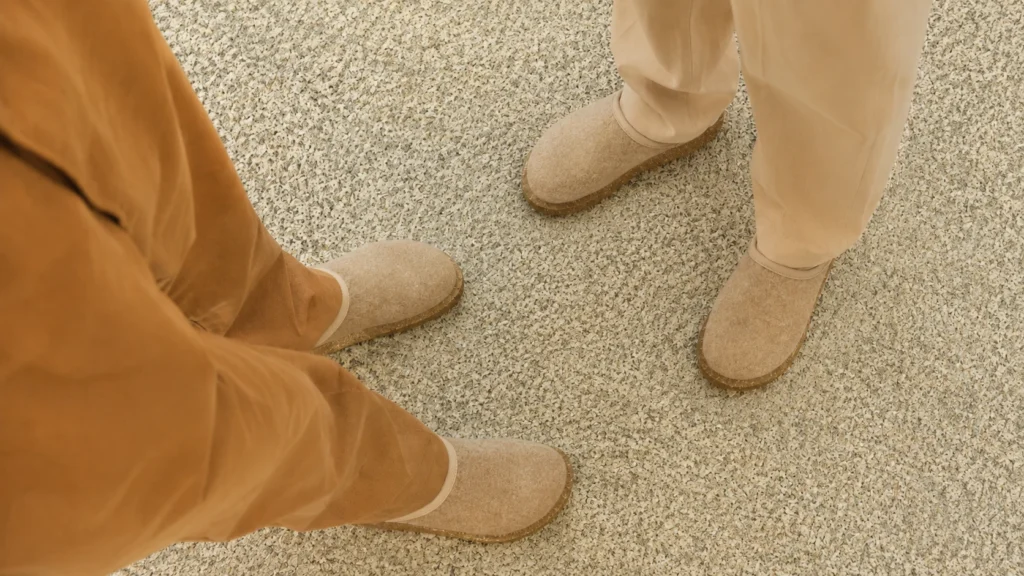
Comfort-Focused Development
Fit, Softness, Cushioning and Everyday Wearability
Custom Footbed Options
Memory Foam, EVA, PU and Supportive Footbed Constructions
Material & Lining Selection
Wool, Felt, Textile, Suede and Soft Lining Options
ODM & Private Label
Custom Colors, Logos, Outsoles, Packaging and Branding
The Comfort Slipper Challenge — Why Softness Alone Does Not Guarantee Comfort
Comfort slippers may appear simple, but the wearing experience depends on how the last, opening, lining, footbed and outsole work together. A slipper can feel soft at first yet still cause heel slipping, pressure around the instep, poor underfoot stability or rapid cushioning collapse.
Different slipper constructions also require different fit and comfort solutions. Open-back slippers need easy entry without excessive foot movement, while closed-back house shoes require a secure heel fit. Indoor slippers may prioritize softness and flexibility, whereas indoor-outdoor styles need a more durable outsole without becoming heavy or stiff.
For this reason, we do not evaluate the upper, footbed and outsole as separate components. Before sampling, we review the target consumer, wearing environment, season, fit direction, lining, cushioning firmness, outsole flexibility and expected retail price as one complete product system.
The goal is not simply to produce a softer slipper. It is to create a balanced combination of step-in comfort, secure fit, support, flexibility and durability for the intended use.
The Product Developer’s Note — Comfort Starts with the Footbed and Fit
A soft upper cannot compensate for an unsuitable footbed or an unstable fit. A footbed that is too soft may bottom out quickly, while one that is too firm can create pressure during extended wear.
We balance foam density, heel shape, toe room, instep hold and outsole flexibility according to the intended use. Indoor styles may favor softness and flexibility, while supportive or indoor-outdoor slippers may require greater stability and durability.
Before approving a sample, we evaluate step-in feel, heel security, pressure points, flex and cushioning recovery. This helps maintain a consistent comfort experience from the approved sample to bulk production.
Our Comfort Slipper Range — Materials, Fits & Everyday Uses
Our comfort slipper range includes open-back slippers, closed-toe house shoes, supportive indoor styles and indoor-outdoor designs for footwear, home and lifestyle brands. Each collection can be developed around different combinations of upper materials, linings, footbed cushioning, fit structures and outsole constructions.
Explore the collections below to find a suitable starting point for your brand, or send us your design, tech pack or reference sample for custom ODM development. We can adjust materials, softness, cushioning, colors, branding and packaging according to your target consumer, season and price position.
Comfortable slippers
Designed for warmth, softness, and everyday comfort, our wool slippers provide a cozy wearing experience for both indoor and light outdoor use. Made with a soft wool upper and a comfortable slip-on design, they help keep feet warm while allowing easy on and off for daily wear.
The cushioned insole and lightweight outsole work together to provide gentle support and lasting comfort, while the flexible sole allows natural movement around the home. With a simple, relaxed look and soft touch, these slippers are ideal for lounging, home use, and comfortable daily wear.
Rehabilitation and Baotou Slippers
Designed for comfort, protection, and easy everyday wear, our rehabilitation and closed-toe slippers are ideal for people who need a softer, more supportive footwear option during recovery or daily use. With a roomy fit, gentle upper construction, and pressure-free design, they help reduce discomfort while providing a secure and comfortable wearing experience.
Children's slippers
Designed for comfort, warmth, and playful everyday wear, our children’s slippers feature soft uppers, roomy toe areas, and lightweight flexible soles. Colorful prints, embroidery, and appliqué details create fun designs that children will enjoy wearing at home.
The easy slip-on construction and elastic or adjustable straps help provide a secure, comfortable fit, while the textured outsole offers reliable grip on indoor surfaces. Soft linings and cushioned footbeds make them ideal for playing, relaxing, and daily indoor use.
💡 Not Sure Which Product Direction Fits Your Market?
Our development team can help compare usage scenarios, target consumers, fit requirements, cushioning preferences, material options and price positioning before sampling begins.
Discuss Your Collection Plan →Comfort Slipper Selection Guide — Match the Structure to the Wearing Scenario
Different consumers and wearing environments require different combinations of fit, warmth, cushioning, support and outsole durability. Use this guide to identify the most suitable slipper direction for your target market, season and price position before sample development begins.
| Target Consumer / Wearing Scenario | Fit & Entry Direction | Comfort Priority | Recommended Construction | Recommended Product Direction |
|---|---|---|---|---|
| Everyday indoor wear and easy entry | Open-back fit with comfortable instep hold and sufficient toe room | Soft step-in feel, lightweight comfort and easy on-off | Soft textile or felt upper, cushioned footbed and flexible indoor outsole | Open-Back Indoor Slippers |
| Cold-weather home wear and seasonal collections | Closed-toe fit with fuller forefoot volume and a secure upper | Warmth, softness and heat retention | Wool or felt upper, plush lining, cushioned insole and lightweight outsole | Wool & Felt House Slippers |
| Long-hour home wear and consumers needing greater underfoot support | Structured fit with stable heel position and comfortable forefoot space | Pressure distribution, cushioning recovery and underfoot stability | Molded EVA or PU footbed, supportive heel cup and stable outsole platform | Supportive Comfort Slippers |
| Home, garden and light outdoor use | Secure slip-on fit with sufficient foot retention during walking | Everyday cushioning, stability and outsole durability | ● Durable upper, cushioned or removable footbed and rubber or TPR outsole | Indoor-Outdoor Slippers |
Custom Comfort Slipper Options for Your Brand
Custom Comfort Slipper Options for Your Brand
Slipper Last, Fit & Entry Design
Define the overall fit through toe room, instep hold, opening depth and heel coverage.
Available directions may include open-back slippers, closed-toe mules, closed-back house shoes, clog-inspired styles and easy-entry constructions.
We balance convenient on-off wear with sufficient foot retention to reduce heel slipping and excessive movement during walking.
Upper Materials & Lining Options
Select upper and lining materials according to season, warmth, softness, appearance and target cost.
Options may include wool, felt, fleece, textile, suede, leather, microfiber and mixed-material combinations.
Material thickness, stretch, surface texture, backing and lining softness are reviewed to maintain shape, comfort and production consistency.
Footbed, Cushioning & Support
Develop the underfoot feel according to the required level of softness, cushioning recovery and everyday support.
Options may include memory foam, EVA, PU, latex foam, molded footbeds, heel cups and removable insoles.
Foam density, footbed thickness, contour and compression recovery are balanced to provide step-in comfort without excessive sinking or rapid collapse.
Outsole & Private-Label Options
Match the outsole to indoor, home or light outdoor use while maintaining suitable flexibility, weight and durability.
Available options may include lightweight EVA, TPR, rubber, textile-covered indoor soles and indoor-outdoor outsole constructions.
Colors, logos, woven labels, custom insoles, packaging and other private-label details can be developed around your brand identity.
Why Footwear & Lifestyle Brands Choose SeeU Shoe
Your Brand Needs More Than a Factory That Can Copy a Reference Slipper
Many factories can reproduce the general appearance of a reference slipper. The more difficult task is translating your target consumer, wearing environment, seasonal needs, comfort expectations and price position into a production-ready slipper specification.
SeeU Shoe develops open-back slippers, closed-toe house shoes, supportive comfort slippers and indoor-outdoor styles. Each product direction requires a different balance of fit, warmth, lining softness, footbed cushioning, flexibility and outsole durability.
Before sampling, we review the slipper last, toe room, instep hold, opening depth, lining, footbed construction, outsole, materials, branding and target cost as one complete comfort system. This helps reduce disconnected design decisions and creates a clearer path from product concept to stable bulk production.
We do not simply reproduce a reference slipper. We help turn your comfort concept into a product specification that can be sampled, refined, manufactured and expanded into a complete slipper collection.
What Makes SeeU Shoe Different?
We Develop Around the Wearing Scenario
We begin by understanding who the slipper is for, where it will be worn and which comfort priorities matter most. Indoor, cold-weather, supportive and indoor-outdoor slippers require different combinations of warmth, easy entry, foot retention, cushioning, flexibility and outsole durability. This allows us to recommend a more suitable structure instead of simply copying the appearance of a reference sample.
We Treat Fit and Footbed as the Comfort Foundation
Soft materials alone do not guarantee lasting comfort. We review toe room, instep hold, opening depth, heel security, footbed firmness and cushioning recovery before decorative details. This helps balance easy entry with a secure fit and prevents common problems such as heel slipping, pressure around the instep or cushioning that collapses too quickly.
We Develop with Bulk Production in Mind
A successful sample must also be practical to reproduce consistently. During development, we consider material availability, lining thickness, foam density, construction methods, outsole bonding, target cost and quality-control points. This creates a clearer transition from approved sample to bulk production and helps reduce differences in fit, cushioning, shape and workmanship.
Frequently Asked Questions About Custom Comfort Slippers
Answers to common questions about custom comfort slippers, including slipper styles, upper materials, linings, footbeds, fit, outsole options, tooling, sampling, MOQ and bulk production.
1. What types of comfort slippers can you manufacture?
We manufacture custom comfort slippers for footwear, home and lifestyle brands.
Available product directions may include open-back slippers, closed-toe mules, closed-back house shoes, wool and felt slippers, supportive comfort styles and indoor-outdoor slippers. Each collection can be adjusted according to the target consumer, season, wearing environment and price position.
2. What upper and lining materials are available?
Available materials may include wool, felt, fleece, textile, suede, leather, microfiber and mixed-material combinations.
Lining options can be selected according to the required warmth, softness, moisture management, appearance and target cost. Material thickness, stretch, backing and surface consistency are reviewed before sampling.
3. Can you customize the footbed and cushioning?
Yes. Footbed options may include memory foam, EVA, PU, latex foam, molded footbeds, heel cups and removable insoles.
We can adjust foam density, thickness, contour and compression recovery according to the required step-in softness, everyday support and target price. The goal is to provide comfort without excessive sinking or rapid cushioning collapse.
4. Can you customize the fit and easy-entry structure?
Yes. We can adjust toe room, instep hold, opening depth, heel coverage and overall slipper volume.
Depending on the product direction, we can develop open-back, closed-toe, closed-back, mule-style or clog-inspired constructions. Easy entry must be balanced with sufficient foot retention to reduce slipping during walking.
5. Can you develop both indoor and indoor-outdoor slippers?
Yes. Indoor slippers normally prioritize lightweight comfort, softness and flexibility, while indoor-outdoor styles require greater outsole durability, stability and surface protection.
Available outsole options may include lightweight EVA, TPR, rubber, textile-covered indoor soles and combined indoor-outdoor constructions.
6. Can you develop slippers from a concept, tech pack or reference sample?
Yes. You may provide a design drawing, tech pack, reference sample, product image or early product concept.
Before sampling, we review the target consumer, wearing environment, fit direction, materials, lining, footbed, outsole, colorways, branding, quantity and target price to determine a practical development route.
7. When are custom slipper lasts or outsole molds required?
New tooling may be required when the project needs a unique toe shape, fit system, footbed contour, outsole profile, tread pattern or branded sole construction that cannot be achieved with existing components.
Tooling requirements, size coverage, estimated cost and ownership arrangements should be confirmed before sample development begins.
8. What is the MOQ and how long does development take?
The minimum order quantity (MOQ) is 500 pairs per colorway; sizes can be mixed.
The sample production lead time is 7–15 days, and a sampling fee applies.
The lead time for mass production is approximately 28–31 days.
9. How do you control consistency between the approved sample and bulk production?
Before bulk production, we confirm the upper material, lining, footbed density, outsole, colors, patterns, branding positions and packaging requirements against the approved sample.
Production inspections focus on slipper shape, fit, material appearance, lining thickness, cushioning feel, bonding, stitching, logo placement and overall workmanship.
10. What information do you need to prepare a quotation?
Please provide the slipper style, reference images or tech pack, upper and lining materials, footbed requirements, outsole direction, size range, estimated quantity, colorways, branding, packaging and destination country.
For more accurate pricing, please also indicate whether you require a custom last, custom outsole mold, removable footbed, special testing or a specific target price.